
Every pilot knows that maintaining medical certification is crucial for their aviation career. However, many don’t realize how a simple motor vehicle collision can threaten their ability to fly. The Federal Aviation Administration (FAA) has strict requirements that extend beyond the cockpit. Subsequently, injuries or legal issues from motor vehicle collisions can seriously impact your pilot medical certificate.
Understanding this connection is vital for every aviator. Whether you’re a commercial airline pilot or weekend flyer, a car accident can create unexpected complications. Therefore, knowing how to navigate these challenges protects your career and livelihood.
Understanding FAA Medical Certification Requirements
The FAA requires all pilots to hold valid medical certificates. These certificates come in three classes: first, second, and third class. Each class has specific requirements and validity periods. Additionally, the FAA evaluates both physical and mental health conditions.
Medical certification involves comprehensive examinations by FAA-authorized medical examiners. These professionals assess various health factors. Moreover, they review any conditions that might affect flight safety. The examination process includes detailed medical history reviews and physical assessments.
Recent regulatory changes have made reporting requirements even more stringent. Pilots must disclose specific medical conditions and treatments. Furthermore, certain medications and therapies can disqualify pilots from flying. The FAA takes these requirements seriously and enforces them strictly.
How Motor Vehicle Collisions Impact Medical Certification
Car accidents can affect pilot medical certification in several ways. First, physical injuries may temporarily or permanently disqualify pilots. Common injuries like head trauma, vision problems, or mobility issues raise red flags. Subsequently, the FAA may require extensive medical evaluations before allowing return to flight status.
Mental health consequences also matter significantly. Post-traumatic stress, anxiety, and depression following accidents can affect certification. The FAA mental health rules require disclosure of these conditions. Therefore, pilots must report psychological treatment or counseling related to accidents.
Legal consequences present another challenge. DUI charges, reckless driving convictions, or license suspensions must be reported. These legal issues can trigger FAA investigations. Moreover, they may result in pilot license suspension or revocation proceedings.
Insurance claims and medical records create documentation trails. The FAA can access these records during certification reviews. Consequently, any treatment or diagnosis becomes part of your aviation medical history.
Physical Injuries and Aviation Medical Standards
Physical injuries from car accidents pose immediate concerns for pilots. Head injuries require particularly careful evaluation. Even mild concussions can affect cognitive function and reaction times. Therefore, the FAA typically requires comprehensive neurological assessments after head trauma.
Vision problems frequently occur in car accidents. Eye injuries, retinal damage, or changes in visual acuity can disqualify pilots. The FAA has strict vision standards for all certificate classes. Subsequently, any vision changes must be thoroughly evaluated and documented.
Orthopedic injuries present unique challenges for pilots. Broken bones, joint problems, or mobility limitations can affect flight controls operation. The FAA evaluates whether pilots can safely operate aircraft controls. Moreover, pain medications prescribed for injuries may be disqualifying substances.
Spinal injuries require extensive evaluation. Back and neck problems can affect pilot alertness and comfort during flight. Additionally, certain treatments like epidural injections may require grounding periods. The FAA reviews each case individually to determine fitness for duty.
Mental Health Considerations After Motor Vehicle Collisions
Mental health impacts following car accidents cannot be overlooked. Many accident victims experience anxiety, depression, or PTSD symptoms. These conditions fall under FAA mental health rules and require careful handling. Furthermore, seeking treatment doesn’t automatically disqualify pilots, but failing to report treatment does.
Sleep disorders often develop after traumatic accidents. Insomnia, nightmares, or sleep apnea can affect pilot performance. The FAA requires evaluation and treatment of sleep disorders. Moreover, certain sleep medications are prohibited for pilots.
Medication concerns arise frequently after accidents. Antidepressants, anti-anxiety medications, and pain relievers may be disqualifying. However, some medications are acceptable with proper documentation. Therefore, pilots must work with aviation medical examiners to navigate medication issues.
Counseling and therapy can actually support certification maintenance. The FAA recognizes that appropriate treatment demonstrates responsibility. Consequently, pilots who seek proper help may have better outcomes than those who avoid treatment.
Legal Issues and FAA Reporting Requirements
Legal consequences from car accidents create reporting obligations for pilots. Any motor vehicle action must be reported to the FAA within 60 days. This includes tickets, citations, arrests, and convictions. Subsequently, failure to report can result in certificate revocation.
DUI charges present serious certification threats. Alcohol-related convictions trigger mandatory FAA evaluations. These evaluations often require substance abuse assessments and monitoring programs. Moreover, multiple DUI convictions may result in permanent certification denial.
License suspensions must be reported immediately. Even administrative suspensions require FAA notification. The agency evaluates whether license actions indicate safety risks. Therefore, pilots must understand both state and federal reporting requirements.
Criminal charges unrelated to driving still matter. Assault, battery, or other charges from accident-related altercations require reporting. The FAA considers all criminal activity when evaluating pilot fitness. Consequently, legal representation becomes crucial for protecting aviation careers.
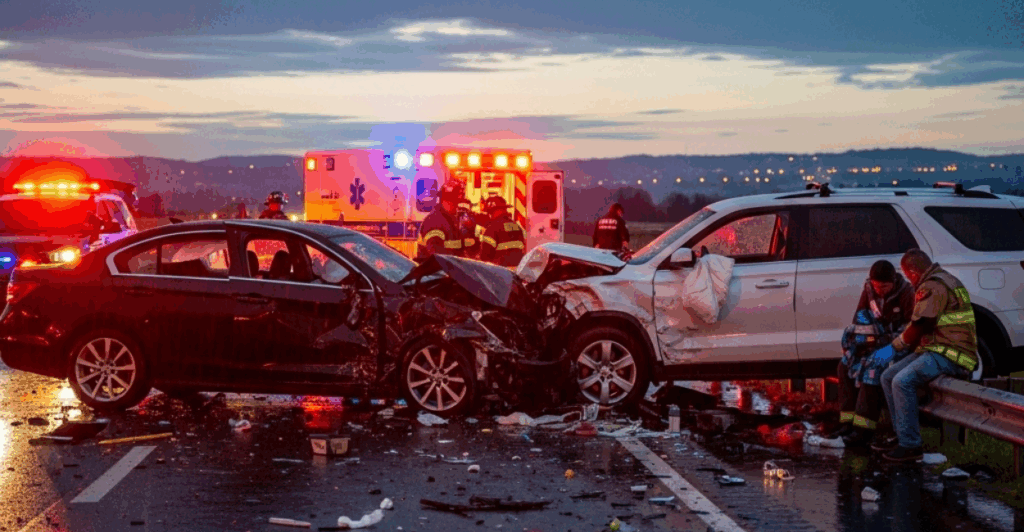
Steps to Protect Your Pilot License After an Accident
Immediate actions following car accidents can protect your aviation career. First, seek appropriate medical attention for all injuries. Document all treatments and maintain detailed medical records. Additionally, follow all treatment recommendations to demonstrate responsibility.
Notify your aviation medical examiner about the accident promptly. Early communication helps manage potential complications. Moreover, AMEs can provide guidance on treatment options that won’t jeopardize certification. This proactive approach often prevents bigger problems later.
Legal representation is often necessary after serious accidents. Experienced attorneys understand the aviation law implications of car accidents. They can help minimize legal consequences that might affect certification. Furthermore, proper legal guidance protects both driving privileges and pilot certificates.
Maintain detailed documentation of all accident-related matters. Keep copies of police reports, medical records, and legal documents. This documentation helps during FAA evaluations. Subsequently, organized records demonstrate professionalism and responsibility.
Working with Aviation Medical Examiners
Aviation medical examiners play crucial roles in certification maintenance after accidents. These FAA-authorized physicians understand aviation medical standards. They can guide pilots through complex certification issues. Moreover, establishing relationships with experienced AMEs provides long-term benefits.
Pre-examination consultations help prepare for medical certificate renewals. AMEs can review medical records and identify potential issues. This preparation prevents surprises during formal examinations. Additionally, consultations allow time to address problems before they affect certification.
Special issuance authorizations may be necessary after serious accidents. These authorizations allow pilots to fly with certain medical conditions. The process requires extensive documentation and monitoring. However, many pilots successfully maintain careers through special issuance programs.
Second opinions from different AMEs can provide valuable perspectives. Some conditions require specialized expertise for proper evaluation. Therefore, consulting multiple AMEs may identify the best path forward. This approach is particularly important for complex medical issues.
The Role of Legal Representation in Pilot Defense
Specialized legal representation becomes crucial when car accidents threaten pilot careers. Aviation attorneys understand both personal injury and aviation law. They can coordinate defense strategies that protect both legal and certification interests. Moreover, experienced attorneys know how to present cases favorably to the FAA.
Early legal intervention often prevents escalation of problems. Attorneys can negotiate plea agreements that minimize certification impacts. They understand which charges pose the greatest threats to pilot licenses. Subsequently, strategic legal representation can preserve aviation careers.
Documentation and evidence preservation require legal expertise. Attorneys know how to protect privileged communications and medical records. They can challenge inappropriate evidence gathering by authorities. Furthermore, proper legal representation ensures all rights are protected throughout the process.
Coordination between personal injury and aviation defense becomes essential. The same accident may generate multiple legal issues requiring different strategies. Experienced attorneys can manage these complex cases effectively. They ensure that settlements or judgments don’t inadvertently harm certification status.
Preventive Measures for Pilots
Prevention remains the best strategy for protecting pilot careers from car accident complications. Defensive driving practices reduce accident risks significantly. Pilots already possess excellent risk assessment skills from aviation training. Therefore, applying these same principles to driving makes sense.
Regular medical checkups help identify potential issues before they become problems. Pilots should maintain relationships with both AMEs and primary care physicians. This dual approach ensures comprehensive health management. Moreover, early detection and treatment of conditions improves outcomes.
Understanding insurance coverage protects pilots from unexpected complications. Adequate liability coverage prevents financial pressures that might affect decision-making. Additionally, medical insurance ensures access to appropriate treatments. Therefore, reviewing and updating coverage regularly is essential.
Emergency planning prepares pilots for accident scenarios. Having contact information for aviation attorneys and AMEs readily available saves precious time. Moreover, understanding reporting requirements prevents inadvertent violations. This preparation demonstrates the same professionalism pilots show in flight planning.
Recent FAA Policy Changes and Their Impact
Recent regulatory changes have affected how car accidents impact pilot certification. The FAA has updated mental health reporting requirements and evaluation processes. These changes aim to encourage pilots to seek treatment while maintaining safety standards. However, they also create new reporting obligations that pilots must understand.
The BasicMed program offers alternatives to traditional medical certification for some pilots. This program may provide options for pilots dealing with accident-related medical issues. However, BasicMed has specific limitations and requirements. Therefore, pilots must carefully evaluate whether this program meets their needs.
Substance abuse evaluation protocols have become more standardized. The FAA now uses specific assessment tools and monitoring programs. These protocols affect how alcohol-related charges from car accidents are handled. Subsequently, understanding these processes helps pilots and their representatives prepare appropriate responses.
Technology improvements have enhanced the FAA’s ability to access information. Medical databases and court records are increasingly interconnected. This connectivity means that unreported incidents are more likely to be discovered. Therefore, honest reporting becomes even more critical for maintaining certification.
Long-term Career Considerations
Car accidents can have lasting effects on pilot careers even after immediate issues are resolved. Insurance rates may increase significantly after accidents. These higher costs affect the economics of aviation careers. Moreover, some employers have policies regarding employee driving records that could affect job opportunities.
Career progression may be slowed by accident-related complications. Airline hiring processes include detailed background checks that review driving records. Subsequently, accidents and citations can affect competitiveness for desirable positions. Therefore, maintaining clean records becomes crucial for career advancement.
International flying opportunities may be limited by accident history. Many countries have their own medical certification requirements. Some nations have stricter standards than the United States. Consequently, pilots with accident histories may face additional scrutiny when seeking international authorizations.
Retirement planning must consider potential medical issues resulting from accidents. Injuries that seem minor initially may worsen with age. These developing conditions could affect later career stages. Therefore, comprehensive insurance planning and medical monitoring become increasingly important.
Working with Thoele Drach for Pilot Defense
When car accidents threaten pilot careers, experienced legal representation makes the difference. Thoele Drach combines expertise in personal injury law with deep understanding of aviation regulations. This unique combination provides comprehensive protection for pilots facing accident-related challenges.
The firm’s Jacksonville location provides convenient access for Florida pilots. However, aviation law expertise allows representation of pilots nationwide. FAA proceedings often occur in different locations than local accident cases. Therefore, having attorneys who understand both local and federal requirements is essential.
Coordinated defense strategies address all aspects of accident-related legal issues. Personal injury claims, criminal charges, and FAA proceedings require different approaches. However, these cases often interconnect in ways that require careful coordination. Experienced attorneys understand these relationships and plan accordingly.
Early consultation provides the best outcomes for pilots facing accident complications. Immediate legal guidance can prevent mistakes that might jeopardize careers. Moreover, proactive representation often resolves issues before they escalate. Therefore, contacting experienced aviation attorneys promptly after accidents is crucial.
Conclusion
Car accidents present serious threats to pilot medical certification and aviation careers. The FAA’s comprehensive approach to medical certification means that physical injuries, mental health impacts, and legal consequences can all affect your ability to fly. However, understanding these risks and taking appropriate action can protect your career.
Prevention remains the best strategy, but accidents do happen. When they occur, immediate action becomes crucial. Seeking appropriate medical care, maintaining detailed documentation, and obtaining experienced legal representation can make the difference between career continuation and termination.
The intersection of personal injury law and aviation regulation requires specialized expertise. Pilots facing accident-related challenges need attorneys who understand both areas of law. This comprehensive approach offers the best protection for aviation careers while ensuring fair compensation for accident-related injuries.
Remember that seeking help doesn’t indicate weakness or irresponsibility; it’s a sign of strength and self-awareness. Instead, it demonstrates the same careful planning and risk management that make pilots successful in the aviation industry. By taking proactive steps to address accident-related issues, you protect both your immediate interests and your long-term career prospects.