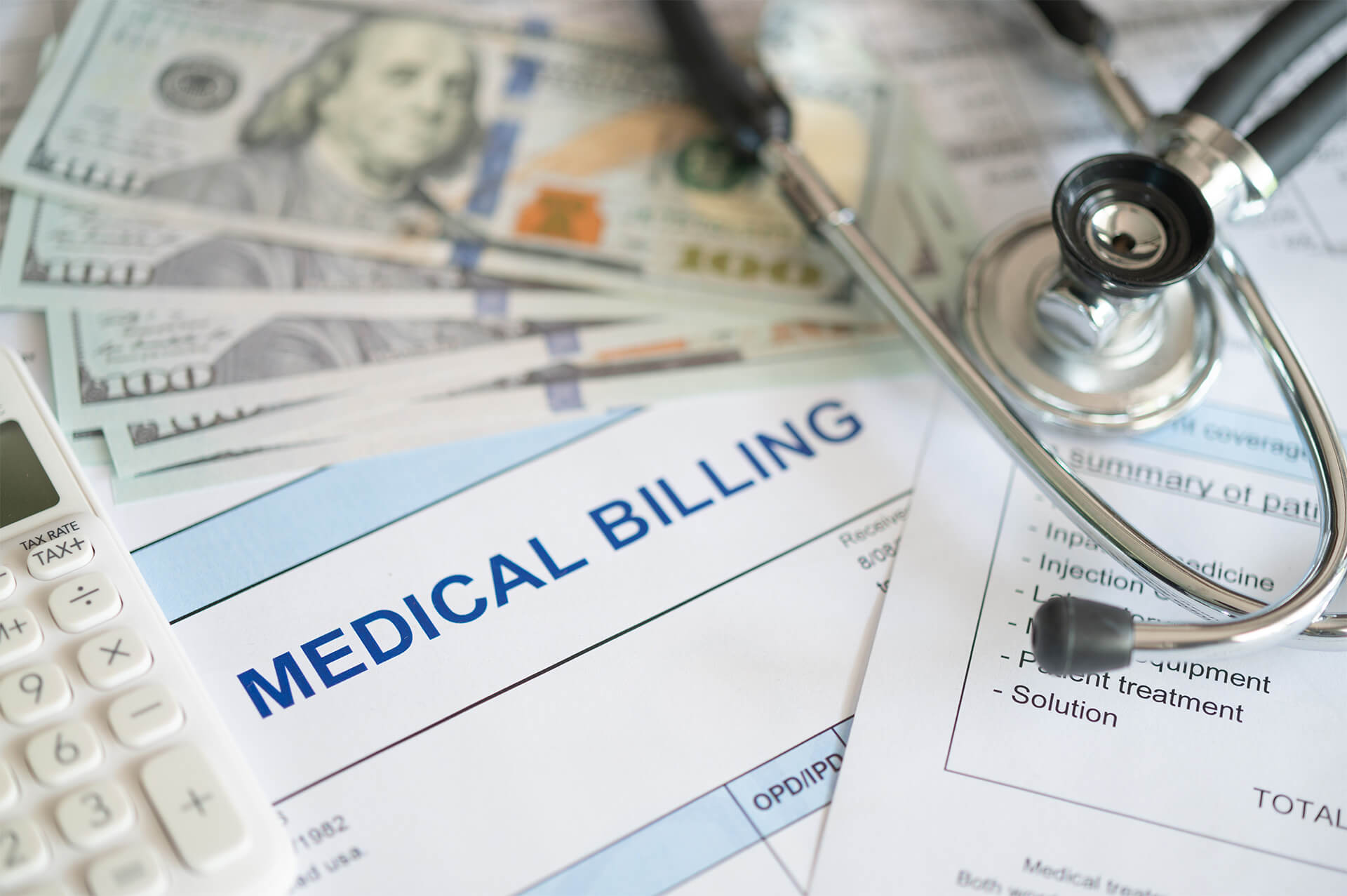
Medical bills are a common part of recovering from an accident, and the way they are handled in Florida can be confusing.
Different types of insurance may apply, and payments do not always occur immediately. Some expenses may be covered through your own insurance, while others may be addressed later as part of an injury claim.
Because multiple sources may be involved, it is important to understand how medical bills are handled after an accident and how each type of coverage applies.
Understanding Florida’s No Fault Insurance System and PIP Coverage
Florida follows a no-fault insurance system for car accidents. This means your own auto insurance usually covers the first portion of medical treatment, regardless of who caused the crash.
This coverage is known as Personal Injury Protection (PIP).
Most PIP policies provide:
- Up to $10,000 in medical coverage
- Payment of 80% of reasonable medical expenses
- Coverage for 60% of lost wages
- Coverage for services such as ambulance transport and hospital care
Important: to qualify for PIP benefits, injured individuals must seek medical treatment within 14 days of the accident.
For minor injuries, PIP may cover most early treatment. For more serious injuries, those limits may be reached quickly.
What Happens When Medical Costs Go Beyond PIP?
Serious injuries can quickly exceed the limits of PIP coverage. When this occurs, additional sources may cover medical treatment.
Health Insurance:
Health insurance may cover further care once PIP benefits are exhausted. The insurer may later request reimbursement from a settlement.
Medical Liens:
Some providers treat injured patients under a medical lien, allowing treatment while payment is delayed until the case is resolved.
Liability Claims:
If another party caused the accident and the injuries meet Florida’s serious injury threshold, a claim may seek compensation for medical costs, lost income, and other damages.
Medical bills and liens are typically paid from the settlement before remaining funds are distributed.
Important Points to Know About Medical Bills in Florida
After an accident, many people expect the at-fault driver’s insurance to pay their medical bills immediately. In Florida, the process usually works differently.
A few important points to understand include:
- The at-fault driver’s insurance typically pays only after a settlement is reached, not while treatment is ongoing.
- Medical care should not be delayed while a claim is pending, as early treatment is important for both recovery and proper documentation.
- Any outstanding medical bills or liens are usually paid from the settlement proceeds before the remaining funds are distributed.
Understanding these points can help injured individuals better navigate the medical and financial aspects of an accident claim.
Common Misunderstandings
Many people learn during the claims process that medical bills are handled differently than they expected.
- The at-fault driver’s insurance usually pays later in the process.
- Payment typically occurs after a claim is resolved, not while treatment is ongoing.
- Medical care should not wait for the outcome of a claim.
- Early treatment is important for both health and documentation.
- Medical bills and liens are typically addressed when the case is resolved.
- These expenses are typically paid from the settlement proceeds.
Understanding Your Options After an Accident
It is common for accident victims to have questions about how medical bills will be paid and how those costs relate to a potential injury claim.
An attorney can help explain how PIP coverage, health insurance, medical liens, and liability claims may apply in a particular situation.
If you have questions about medical bills after an accident or how they may affect your claim, contact Thoele Drach for a confidential case evaluation.