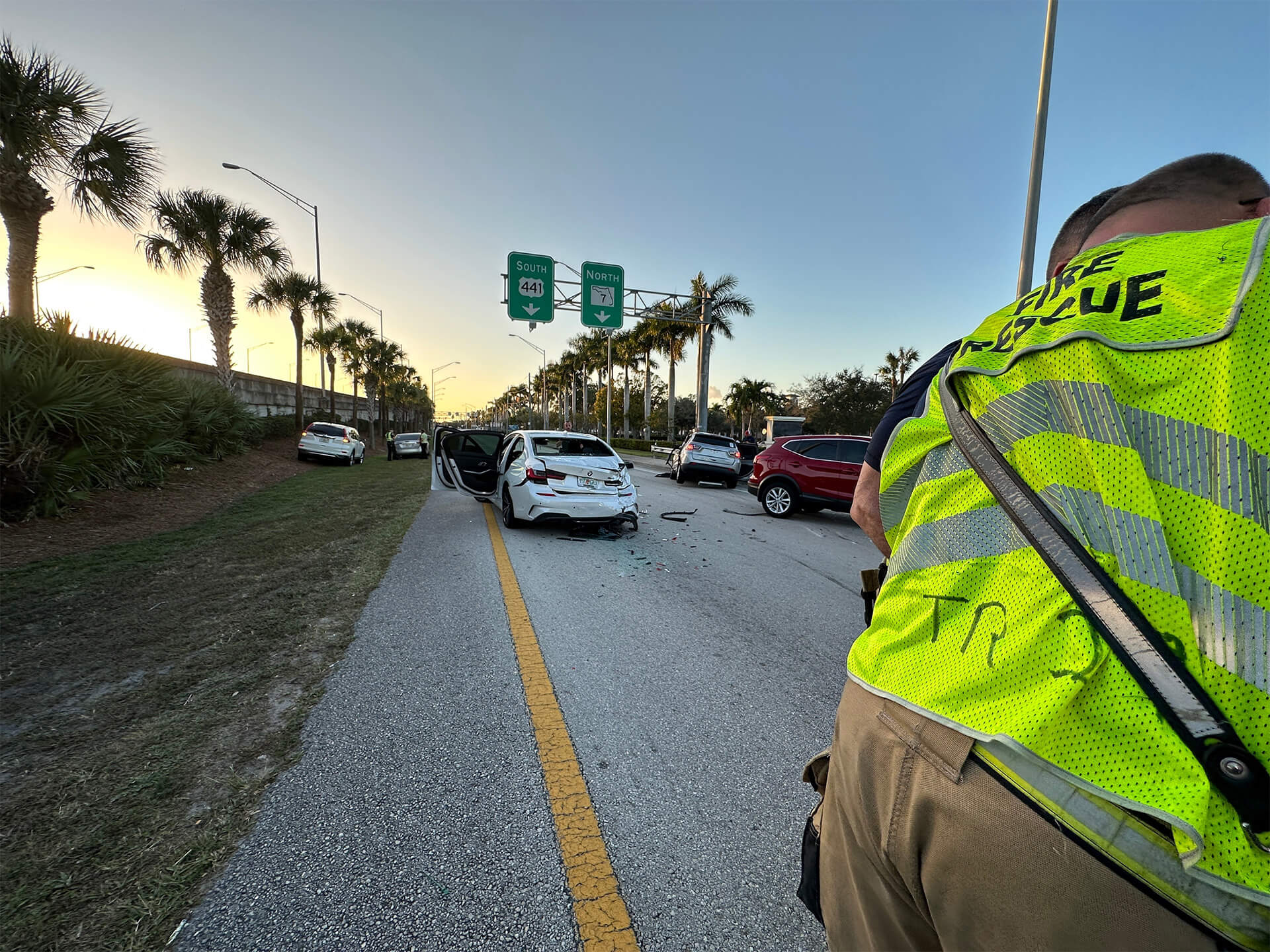
What to Do After an Accident in Florida: Steps That Can Strengthen Your Case
Accidents don’t come with a warning. In the moment, most people are just trying to get through it. But what you do right after can shape what happens next.
In Florida, personal injury claims rely heavily on clear, consistent evidence. The steps you take early on matter more than you might think.
1. Get Medical Attention Right Away
Even if you feel okay, it’s still smart to see a doctor. Some injuries take time to show up, and waiting can make it harder to connect them to the accident.
Medical records aren’t just for treatment—they also document when your injury began and how it progressed. Getting checked early helps create a clear timeline.
In situations like car accidents, delays in treatment can even affect your eligibility for certain benefits.
- Early care helps establish a clear starting point
- Waiting can raise doubts about your injury
- Gaps in treatment can make your claim more complicated
2. Make Sure the Incident Is Properly Reported
If your accident involves a driver, a business, or your workplace, it needs to be reported through the right channel.
What that looks like depends on the situation:
- After a car accident, call the police so an official report is filed
- In a store or commercial space, notify a manager and complete an incident report
- At work, report the injury to a supervisor or follow your employer’s process
Always ask for a copy of the report and keep it. It may seem routine now, but it can become important later.
3. Document Everything You Can
Details fade quickly. Writing things down and collecting evidence early means you won’t have to rely on memory later.
Start with the basics:
- Take photos of the scene, any damage, and visible injuries
- Get names and contact details from witnesses
- Keep copies of reports and related documents
- Write down how you feel in the days after, especially if symptoms change
Your notes don’t need to be perfect, they just need to be consistent and honest.
4. Be Careful With Early Statements
Insurance companies may contact you soon after the accident. Take your time before responding.
At that stage, you might not fully understand your injuries. Anything you say could be recorded, and early settlement offers often don’t reflect the full picture.
Timing Matters
Florida law sets a deadline for filing personal injury claims—usually two years.
That might sound like a long time, but it goes by faster than you expect. Evidence can disappear, witnesses can become harder to reach, and records may not always be easy to access.
What Strengthens a Personal Injury Case
No two cases are exactly alike, but certain things consistently make a difference:
- Medical care that starts early and continues without gaps
- Clear documentation showing what happened and how your condition evolved
- Strong support for how the accident occurred
- Taking action before deadlines become a problem
- Making decisions with a full understanding of your situation
When these pieces are in place, it becomes much easier to show both what happened and how it affected you.
When to Consider Legal Guidance
You don’t need to have everything figured out before speaking with a lawyer.
Getting advice early can help you understand what matters most, what to keep track of, and how to handle conversations moving forward. It can also help you avoid missteps that could limit your options later.
Request a Confidential Case Evaluation
If you’ve been in an accident in Florida and aren’t sure what to do next, you can request a confidential case evaluation with Thoele Drach.
It’s a simple way to get clarity on your situation and understand your next steps.